.jpg)
Curtain wall glazing is a non-structural external cladding system that is fixed to the outside of a building's structural frame, forming a continuous, weatherproof facade without bearing any of the building's structural load. Used widely on office buildings, retail centres, hotels, airports, and public buildings throughout the UK, curtain walling allows large expanses of glazing to be incorporated into a building's external envelope, controlling weather, providing thermal insulation, and maximising natural light.
A curtain wall system is a lightweight aluminium frame — typically infilled with glass, metal, or other panel materials — that is anchored to a building's floor slabs or structural columns. Because it is non-structural, the curtain wall hangs from the building rather than supporting it, which is where the name originates.
Curtain walling first emerged in the 19th century with the development of large glass panels, and became widely associated with modern commercial architecture from the mid-20th century onwards. Today it is one of the most common facade systems for commercial and mixed-use buildings in the UK.
The primary functions of a curtain wall system are to protect the building interior from wind, rain, and temperature extremes, to allow natural daylight into occupied spaces, and to contribute to the building's thermal and acoustic performance. In addition to these functional roles, curtain walling plays a significant part in a building's appearance and architectural identity.
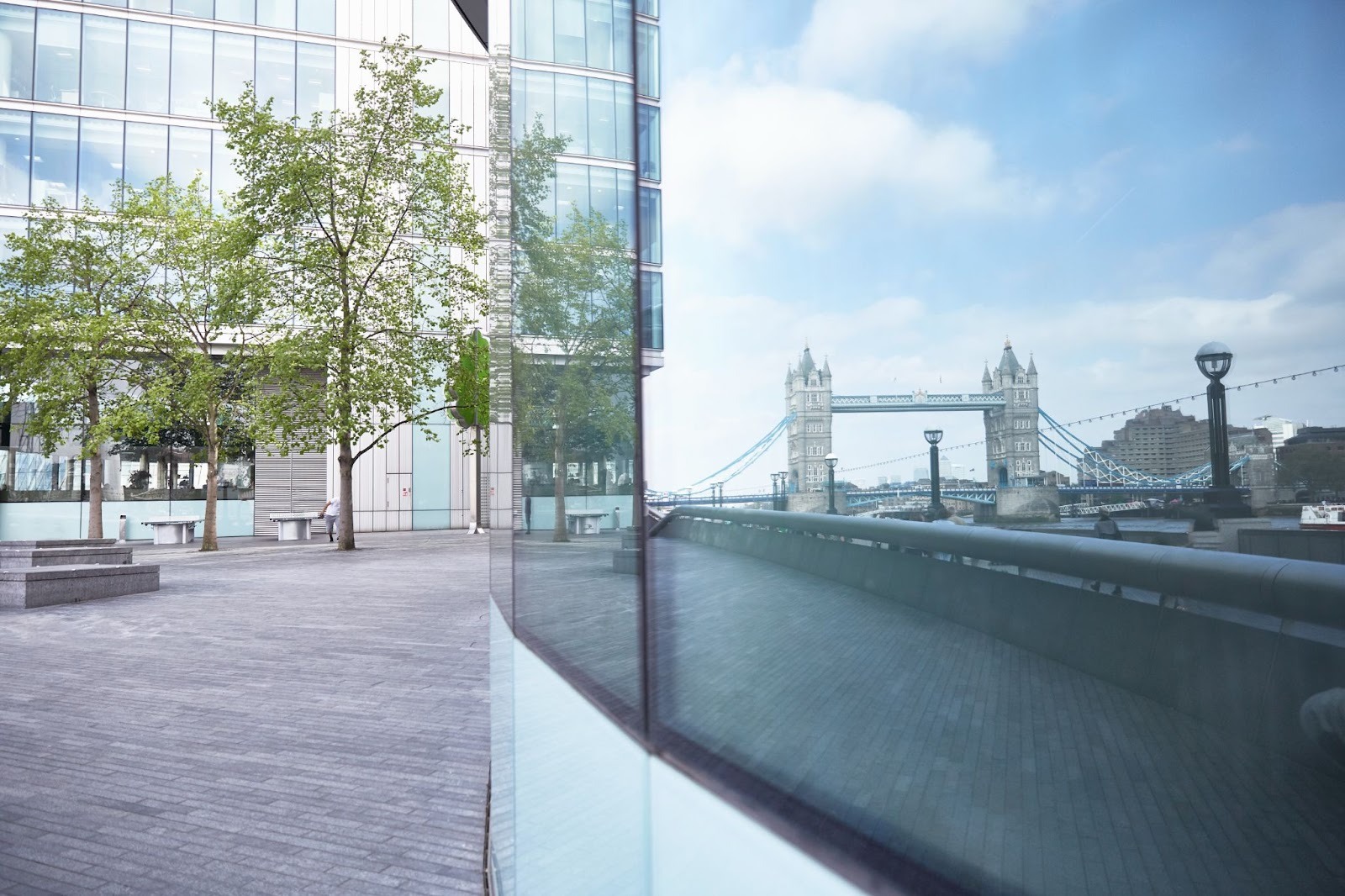
A standard framed curtain wall system comprises several key elements that work together to form a weathertight, thermally efficient facade:
The specific materials and configuration will vary depending on the building type, height, location, and performance requirements. GLRE is able to design, specify, and install curtain walling solutions across the full range of commercial building types — from standard office facades to bespoke architectural glazed envelopes. Find out more about GLRE's curtain wall repair and refurbishment services.
Curtain walling systems are broadly classified by the method used to fabricate and assemble them. The two main types used in the UK are stick systems and unitised systems, with a semi-unitised hybrid also available for certain applications.
A stick system is assembled on-site, piece by piece. Individual mullions and transoms are fixed to the building structure and glazed or panelled in sequence. Stick systems offer considerable flexibility during installation — particularly useful on buildings with non-standard dimensions, complex geometries, or where on-site adjustments are likely to be needed. They are commonly used on low-rise and medium-rise commercial buildings and are generally well suited to projects where site access is straightforward.
A unitised system is prefabricated in a factory as complete, glazed units that are delivered to site and lifted into position. Because the majority of the assembly work takes place under controlled factory conditions, unitised systems typically offer improved consistency and faster on-site installation compared to stick systems. They are particularly well suited to high-rise buildings and large-scale commercial projects where site access is complex or where programme speed is a priority.
Semi-unitised systems combine elements of both approaches. The aluminium frame is assembled on-site as with a stick system, but the glazing units are delivered pre-fitted within a carrier frame, reducing on-site glazing operations. This approach provides a degree of factory quality control whilst retaining the installation flexibility of a stick system, and is typically used on medium-rise commercial and office buildings.
Curtain walling and cladding are both external envelope systems, but they differ in their construction, function, and appearance. Curtain walling is a glazed aluminium framing system designed primarily to admit natural light while providing weatherproofing — it is transparent or semi-transparent in nature. Cladding, by contrast, is typically an opaque covering applied to the external walls of a building using materials such as metal sheeting, fibre cement, or composite panels.
In practice, many commercial buildings incorporate both systems — curtain walling on facade areas where transparency and daylighting are desirable, and cladding on areas where opacity, thermal performance, or fire compartmentation requirements dictate a solid panel solution. GLRE works across both disciplines, offering specialist commercial cladding refurbishment and curtain wall repair services to building owners and facilities managers across the UK.
Curtain wall systems are engineered for long-term performance, but like any building element they are subject to deterioration over time. The most common issues experienced with curtain wall glazing include:
Left unattended, degraded or failed curtain wall components can fall from height, causing significant safety and liability risks. GLRE's existing guide on how to detect and fix curtainwall leaks covers the detection and remediation of water ingress in more detail.
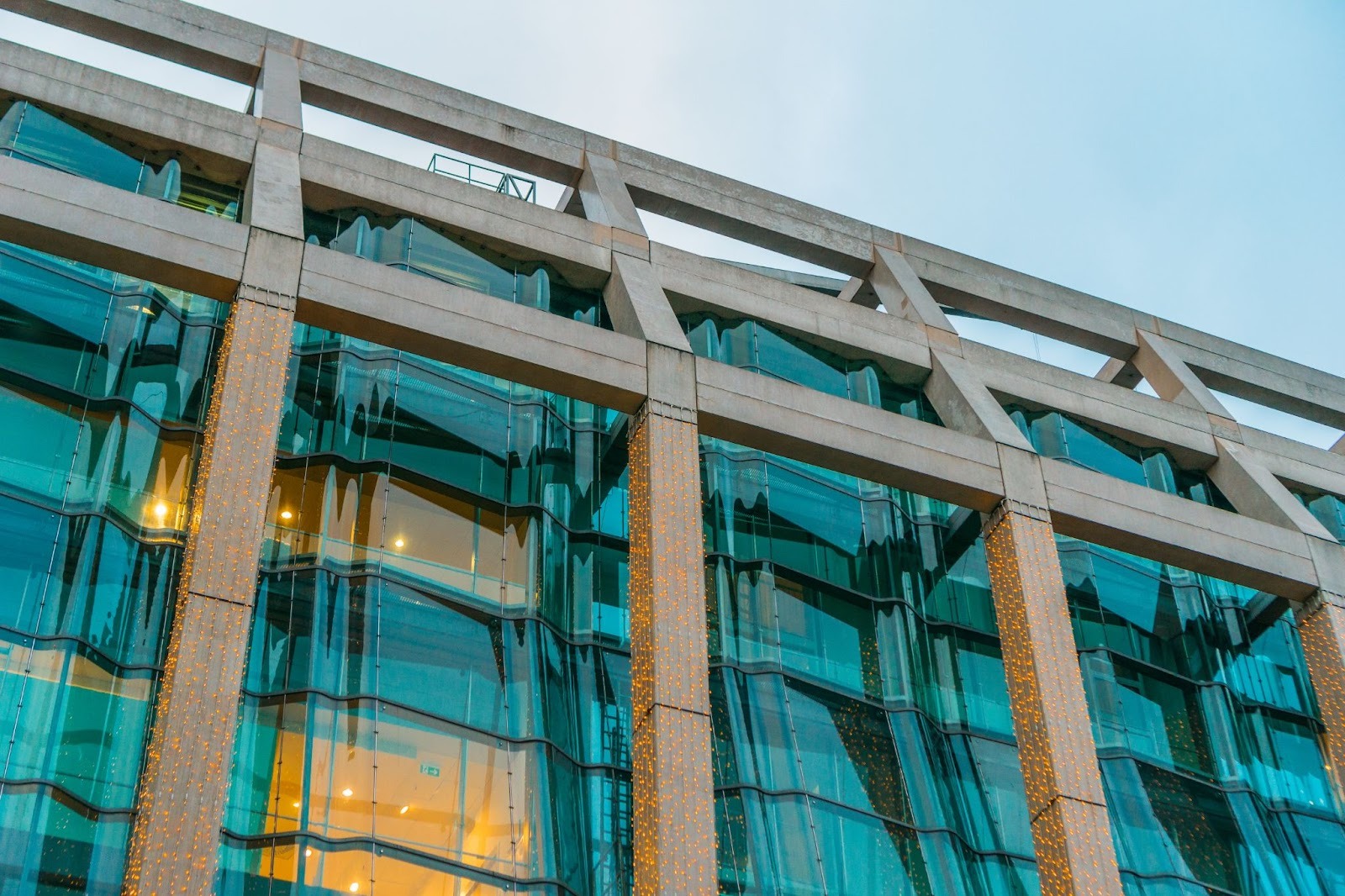
The service life of a curtain wall system depends on the quality of the original design and installation, the materials used, and the level of ongoing maintenance. With proper maintenance and timely repairs, a well-installed curtain wall system can serve a building effectively for several decades.
Individual components will typically require attention at different stages of a curtain wall's life. Gaskets and sealants are usually the first elements to show signs of deterioration, followed by the glazed units themselves. The aluminium framework, if correctly specified and maintained, is generally very durable.
Where a curtain wall has deteriorated beyond the point where routine maintenance is cost-effective, a targeted refurbishment programme can significantly extend its remaining service life. GLRE's curtain wall repair services include the option to extend the useful life of a curtain walling system, often by up to 20 years, through the correct scope of remedial works — as noted on GLRE's curtain wall repair page.
A planned maintenance programme is the most effective way to protect a curtain wall investment and avoid the costs and disruption of reactive repairs. A well-structured maintenance regime for curtain walling typically includes:
For buildings where curtain walling spans multiple storeys, rope access offers a cost-effective and low-disruption method for both inspection and maintenance works. Our guide to rope access vs scaffolding for commercial glazing explains the practical and financial advantages of this approach.
Not all curtain wall deterioration requires a full system replacement. In many cases, targeted repairs — replacing failed glazed units, renewing sealants and gaskets, or addressing isolated fixing failures — are sufficient to restore performance and extend the system's life considerably.
Full replacement of the curtain wall becomes necessary when the aluminium framework has corroded or failed structurally, when the system no longer meets current thermal or fire performance requirements, or when the cumulative cost of ongoing repairs makes replacement the more commercially sound option.
GLRE specialises in both curtain wall repair and full curtain wall replacement programmes. Our team can inspect your building, assess the condition of the existing system across all elevations, and provide a clear, costed recommendation on the most appropriate course of action — whether that is reactive repairs, a planned refurbishment programme, or phased replacement. Learn more about GLRE's curtain wall refurbishment and replacement services, or explore our high-level glass replacement services for buildings where glazed units at height require specialist attention.
Curtain walling is used across a wide range of commercial building types. Common applications include:
GLRE has delivered curtain wall repair, refurbishment, and replacement projects for clients across all of these sectors since 1996, including high-profile projects at Heathrow Airport, Waterloo Station, Hull Royal Infirmary, and Alexandra Palace. Our experience across such a diverse range of buildings means we understand the specific access, compliance, and programme constraints that different environments present.
Does your building have curtain wall glazing that needs inspection, repair, or refurbishment? GLRE has been the UK's specialist in commercial curtain wall and glazing solutions since 1996 — book a site survey today and speak to one of our experts.