Rope access, commercial glazing projects across the UK, are delivering substantial cost savings and operational advantages over traditional scaffolding.
Back To Blog.jpg)
Rope access has become the preferred method for commercial glazing projects across the UK, delivering substantial cost savings and operational advantages over traditional scaffolding. When facilities managers and building owners face high-level glass maintenance, repair, or replacement decisions, the choice between rope access and scaffolding significantly impacts project budgets, timelines, and day-to-day building operations.
The commercial glazing industry has witnessed a fundamental shift towards rope access techniques, with IRATA-certified technicians now handling projects that would have previously required weeks of scaffolding installation. For property managers overseeing office towers, retail centres, hospitals, or transport hubs, understanding when rope access offers clear advantages over conventional methods ensures both cost-effective maintenance and minimal disruption to building occupants.
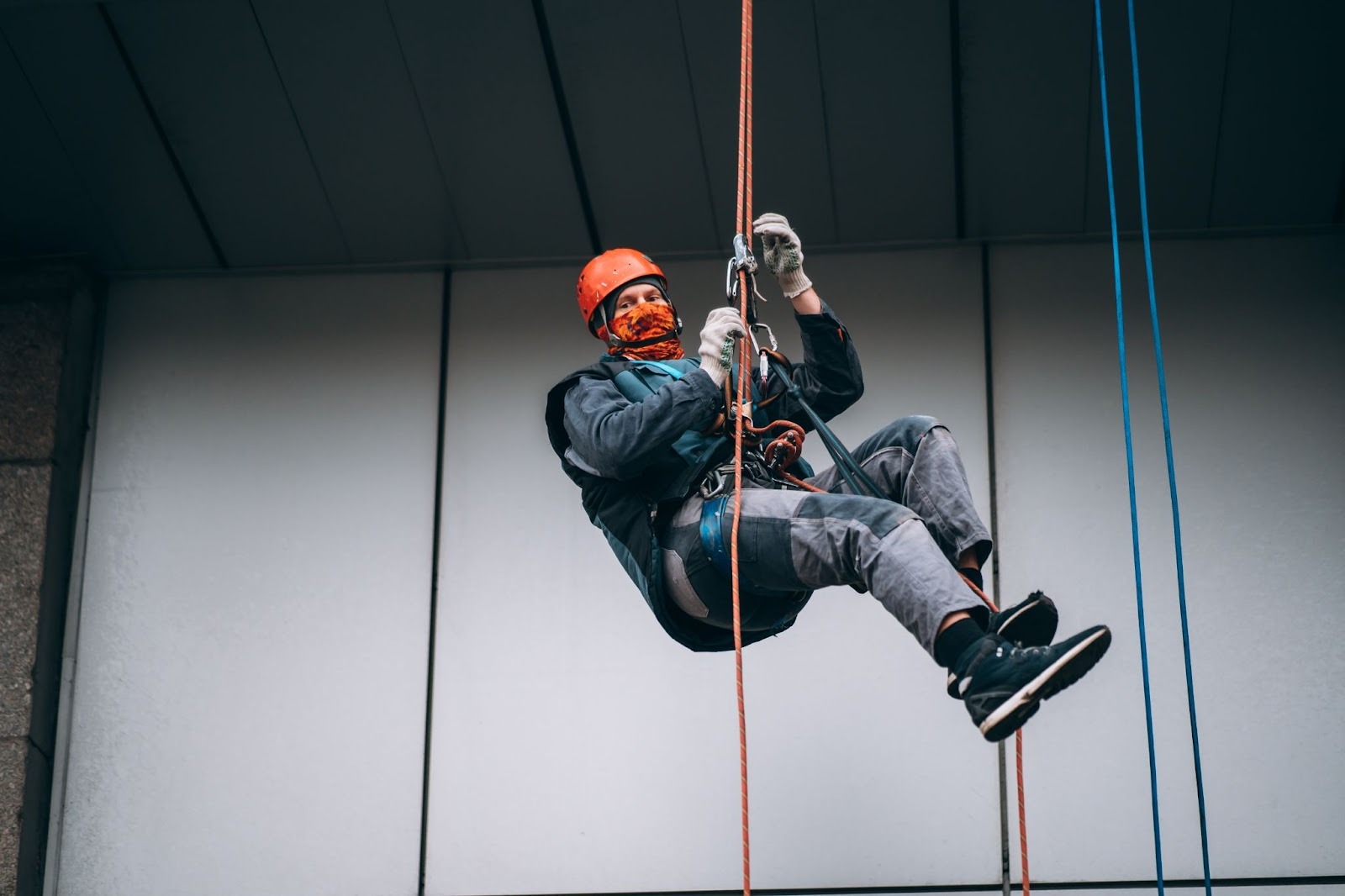
Rope access involves highly trained technicians using industrial abseiling techniques to reach high-level glazing without traditional scaffolding. IRATA-certified professionals employ specialist ropes, harnesses, and anchor systems to access building facades, curtain walling, atriums, and overhead glazing directly from above.
Unlike scaffolding that creates temporary platforms around buildings, rope access technicians descend from roof-level anchor points or work upwards using ascent techniques. Each technician operates on a dual-rope system with a primary working line and independent safety backup, ensuring compliance with Health and Safety Executive regulations whilst maintaining exceptional safety standards.
The Industrial Rope Access Trade Association (IRATA) provides the certification framework that governs training standards, operational protocols, and safety requirements for rope access work in the UK. Technicians progress through three certification levels, with Level 3 supervisors possessing the expertise to design access strategies, conduct risk assessments, and oversee complex commercial glazing projects.
Financial considerations drive most commercial glazing access decisions, with rope access delivering 30-70% cost reductions compared to traditional scaffolding. The substantial savings emerge from multiple factors affecting project economics.
Direct scaffolding costs for commercial glazing projects include:
A four-week glazing project on a multi-storey office building could incur £3,200-£12,000 in scaffolding costs alone before addressing the actual glazing repairs. Rope access eliminates these continuous hire charges entirely.
Installation expenses further differentiate the methods. Scaffolding erection for a commercial building requires several days to weeks, involving labour costs, transport fees, and permit applications. London properties often face additional charges for road closures, parking suspensions, and extended working hours to minimise traffic disruption. Rope access teams establish working systems within hours, commencing glazing work immediately without extensive preliminary construction.
Hidden costs that rope access avoids:
These operational impacts translate to substantial indirect costs that rope access techniques prevent through minimal visual intrusion and rapid project completion.
Scaffolding installation timelines extend commercial glazing projects considerably. A typical office building requires 3-7 days for scaffold erection, followed by the actual glazing work, then 2-4 days for dismantling. This preliminary and concluding construction adds 1-2 weeks to overall project duration before glazing technicians even begin their primary tasks.
Rope access teams mobilise with remarkable speed. Technicians can establish anchor points and commence high-level glass replacements within hours of arriving on site. A glazing repair requiring 3-4 weeks with scaffolding often completes in 5-7 working days using rope access, dramatically reducing building disruption and accelerating return to normal operations.
Weather flexibility provides another temporal advantage. Rope access teams deploy and demobilise quickly when conditions permit, maximising productive work during favourable weather windows. Scaffolding's fixed installation remains in place regardless of weather, continuing to obstruct the building throughout periods when work cannot proceed.
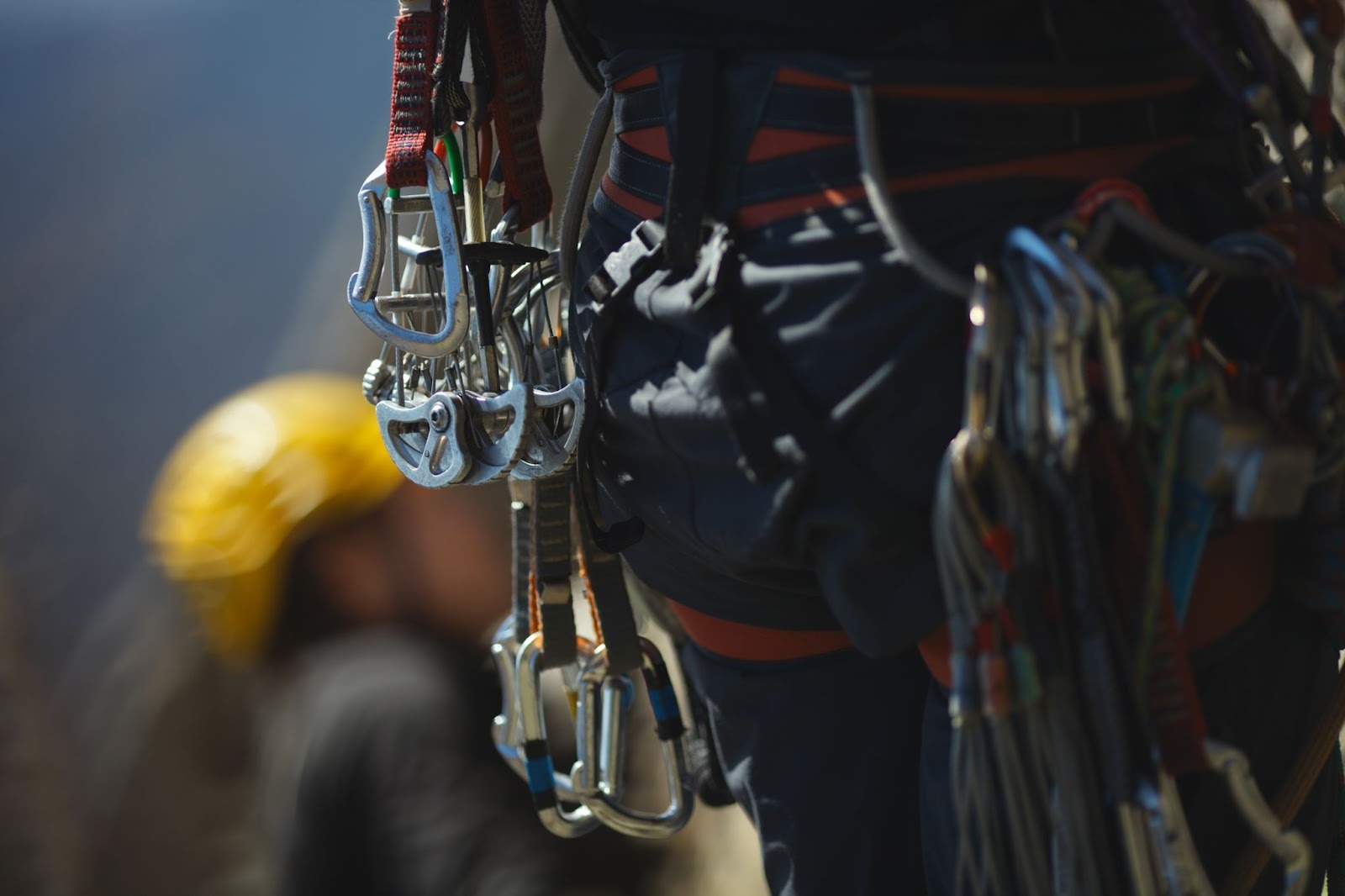
Rope access demonstrates superior safety performance compared to traditional access methods. IRATA statistics consistently show lower accident rates for rope access work, with comprehensive training requirements and strict operational protocols contributing to this impressive safety record.
IRATA certification requirements ensure:
Every rope access technician working on commercial glazing projects holds valid IRATA certification demonstrating competence in safe working practices. Level 3 supervisors design rig configurations, conduct detailed risk assessments, and implement control measures before any high-level work commences. This rigorous planning ensures all glazing activities comply with current UK working at height regulations.
The dual-rope safety system provides:
Scaffolding also operates under strict safety regulations, requiring proper erection by qualified scaffolders, regular inspections, and certification compliance. However, scaffolding introduces ground-level hazards including public safety concerns, dropped object risks, and the potential for unauthorised access. Rope access eliminates many of these concerns through its inherent design.
Commercial buildings rarely close for maintenance, requiring glazing contractors to minimise occupant disruption. Rope access excels in this crucial aspect, allowing normal building operations to continue largely unaffected during high-level glazing work.
Scaffolding dominates building exteriors, blocking windows, obstructing balconies, and limiting natural light for weeks or months. Tenants endure prolonged inconvenience, whilst building managers field complaints about reduced amenity. Office workers lose window views, retail customers navigate blocked entrances, and hotel guests experience diminished aesthetics throughout scaffolding periods.
Rope access technicians work along building faces without impeding ground-level activities or blocking window access. Occupants maintain their views, natural light continues uninterrupted, and building aesthetics remain intact. This operational sensitivity proves particularly valuable for premium office space, luxury hotels, and high-street retail where occupant satisfaction directly affects business performance.
Security concerns diminish with rope access approaches. Scaffolding provides potential unauthorised access routes to upper floors, requiring additional security measures and monitoring. Rope access work zones remain isolated and inaccessible to unauthorised persons, maintaining building security throughout project duration.
Rope access excels for:
High-level glass replacements represent rope access's strongest application. Single pane failures, broken sealed units, or damaged curtain wall sections in office towers, hotels, or transport facilities suit rope access perfectly. Technicians can remove defective glazing panels, install replacement units, and restore weathertight integrity efficiently without scaffolding's footprint and expense.
Commercial window refurbishment work including gasket replacement, mechanism repair, and seal renewal benefits from rope access's precision positioning. Technicians can address specific failed components across building facades methodically, targeting problem areas without erecting comprehensive scaffold coverage for isolated repairs.
Scaffolding remains preferable for:
Shopfront glass replacement following vandalism or accidental damage requires rapid response that rope access delivers. When retail premises need emergency glazing repairs to restore security and resume trading, rope access teams mobilise immediately whilst scaffolding erection would delay business reopening for days.
Urban locations favour rope access when:
City centre properties with limited pavement width, heavy pedestrian traffic, and restricted road access struggle with scaffolding logistics. Planning permissions for pavement scaffolding, road closures, and parking suspensions add complexity, cost, and delays that rope access circumvents entirely.
Building height influences access method suitability differently than many assume. Whilst scaffolding appears logical for extreme heights, rope access actually gains advantages as buildings rise. Scaffolding costs, erection time, and structural complexity increase dramatically with height. Rope access costs remain relatively consistent regardless of building elevation, making it increasingly cost-effective for taller structures.
Ground conditions affecting scaffolding viability include:
Properties with these constraints may prohibit scaffold installation without expensive temporary works. Rope access operates from roof-level anchor points, leaving ground areas undisturbed and avoiding damage to building surroundings.
Adjacent structures and space constraints limit scaffolding options in dense urban environments. Buildings separated by narrow service lanes, properties adjoining railway lines, or facades overlooking busy roads create scaffolding challenges. Rope access accesses these constrained locations efficiently without ground-level footprint requirements.
At GLRE, we evaluate each commercial glazing project individually to recommend the most appropriate access method. Our IRATA-certified rope access teams handle the majority of high-level glass maintenance across our nationwide operations, delivering cost-effective solutions for building owners throughout the UK.
Our Level 3 supervisors conduct detailed site assessments, examining building configuration, access requirements, ground conditions, and project scope before specifying access strategies. This thorough evaluation ensures we deploy the optimal approach whether that involves rope access, mobile elevated work platforms, or scaffolding for specific project requirements.
We combine rope access capabilities with comprehensive glazing expertise, allowing our technicians to diagnose glazing failures, specify replacement materials, and execute repairs during single site visits. This integration reduces repeat access requirements and delivers complete solutions rather than simply providing height access for subsequent trade attendance.
Operating from eight regional offices including Cambridge, Manchester, London, Birmingham, and Glasgow, GLRE maintains rope access teams positioned to respond rapidly across the UK. Our nationwide coverage ensures commercial property managers receive prompt attention for both planned maintenance and emergency glazing requirements.
Is rope access safer than scaffolding for commercial glazing work?
Yes, IRATA statistics show lower accident rates for rope access. Technicians operate on dual independent rope systems with backup safety lines, whilst Level 3 supervisors conduct comprehensive risk assessments before work commences.
How much does rope access cost compared to scaffolding?
Rope access typically delivers 30-70% cost savings. Whilst scaffolding costs £800-£3,000 weekly plus installation fees, rope access eliminates continuous hire charges. A typical four-week project costing £3,200-£12,000 in scaffolding might cost £1,500-£4,000 using rope access.
What types of commercial glazing projects suit rope access?
Rope access excels for high-level glass replacements, window refurbishment, shopfront repairs, curtain wall inspections, and emergency glazing work. Projects involving isolated repairs, rapid response requirements, or constrained urban locations particularly benefit from rope access.
Do rope access technicians need special qualifications?
All rope access technicians must hold valid IRATA certification. Level 1 covers entry-level training, Level 2 requires 1,000+ hours experience, and Level 3 supervisors design access strategies and oversee safety. Re-certification occurs every three years.
When should I choose scaffolding over rope access?
Scaffolding suits large-scale facade replacements with multiple trades, projects requiring heavy equipment positioning, extended programmes spanning months, or heritage buildings requiring specific conservation protection systems.
How quickly can rope access teams mobilise for emergency glazing repairs?
Rope access teams establish working systems and commence repairs within hours. This rapid mobilisation proves valuable for emergencies like shopfront vandalism where business operations depend on swift restoration.
Does building height affect rope access suitability?
Rope access becomes more cost-effective as buildings increase in height. Scaffolding costs rise dramatically with elevation, whilst rope access expenses remain consistent regardless of building height.
Can rope access work in city centre locations with limited ground space?
Yes, rope access proves ideal for urban locations with restricted pavement width or heavy pedestrian traffic. Operating from roof-level anchor points, it avoids obstructing pavements, roads, or requiring pavement licences.
For commercial glazing projects requiring expert assessment and cost-effective execution, contact GLRE to discuss how our rope access specialists can deliver your high-level glass maintenance efficiently whilst minimising disruption to your building operations.

Refurb House,
11 Minton Enterprise Park,
Oaks Drive,
Newmarket,
CB8 7YY


.webp)