High-level glass replacement in commercial buildings demands strict compliance with UK safety legislation protecting both workers and building occupants.
Back To Blog.jpg)
High-level glass replacement in commercial buildings demands strict compliance with UK safety legislation protecting both workers and building occupants. Understanding these regulatory requirements ensures legal compliance whilst maintaining workplace safety standards throughout glazing projects.
The Work at Height Regulations 2005, Construction (Design and Management) Regulations 2015, and British Standards for safety glazing create a comprehensive framework governing how commercial glass replacement must be planned, executed, and certified. Facilities managers, building owners, and glazing contractors share responsibility for meeting these standards.
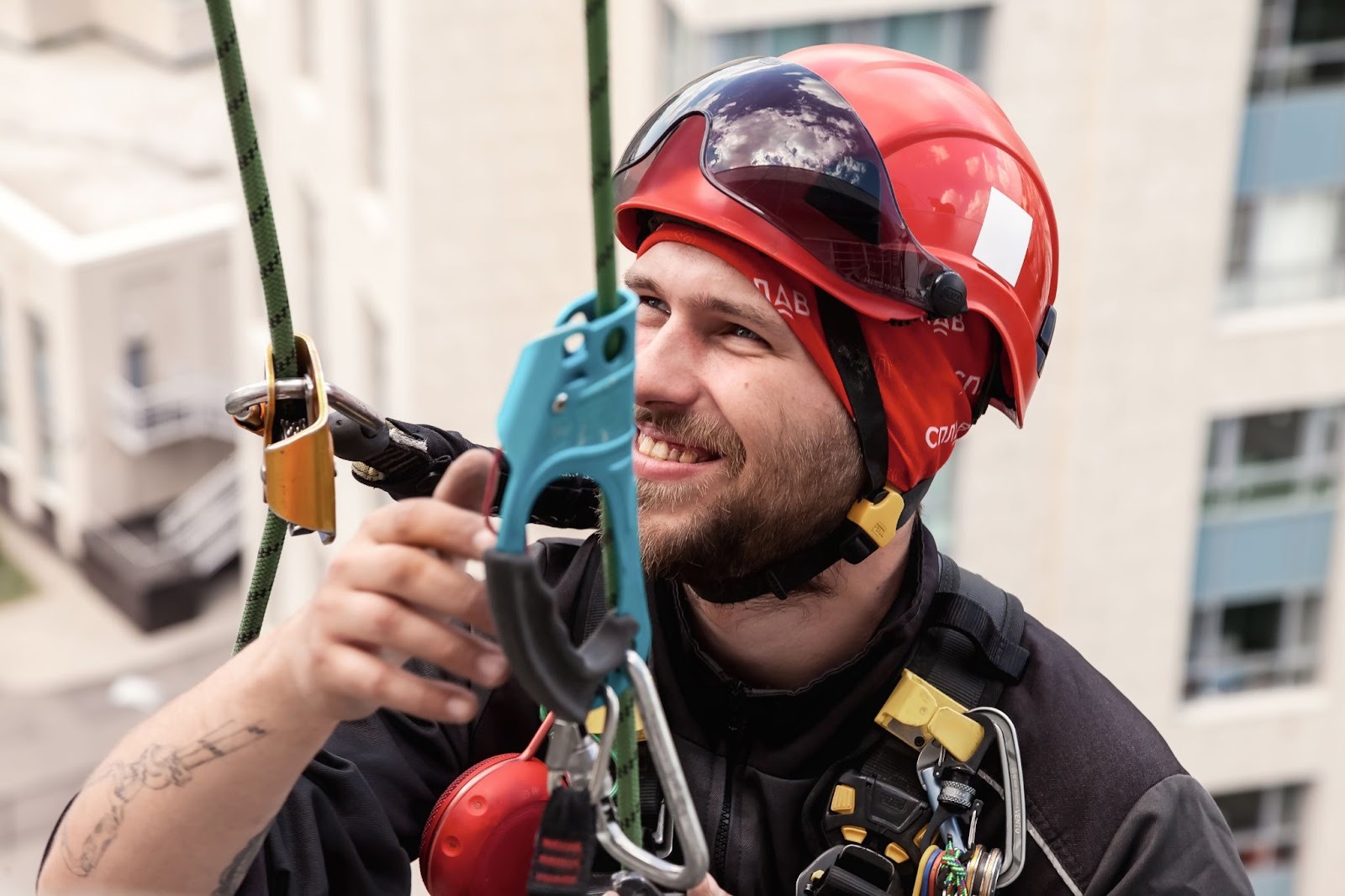
The Work at Height Regulations 2005 form the primary legislation governing high-level glass replacement. These regulations apply to all work where a person could fall a distance liable to cause personal injury, regardless of the actual height.
Fundamental regulatory principles:
Commercial glass replacement rarely permits avoiding work at height entirely, so focus shifts to implementing proper planning, equipment selection, and competent workforce deployment. The regulations require documented risk assessments identifying hazards and control measures before work commences.
Equipment hierarchy for glass replacement:
Equipment selection depends on specific project requirements, building configuration, and duration of access needed. Scaffolding suits extended projects requiring stable platforms for multiple trades, whilst rope access proves efficient for isolated glass replacements where scaffolding installation would be disproportionate.
The Construction (Design and Management) Regulations 2015 establish management frameworks for construction projects, including commercial glazing works. These regulations apply when work exceeds 30 working days with 20+ workers simultaneously, or involves more than 500 person-days.
Key CDM duty-holders for glass replacement projects:
Even projects falling below CDM notification thresholds must comply with Work at Height Regulations and general health and safety legislation. The CDM framework simply adds additional coordination and documentation requirements for larger projects.
Pre-construction information requirements:
Clients providing comprehensive pre-construction information enable contractors to plan work safely and price projects accurately. Missing or inadequate information creates delays and increases risk throughout project execution.
British Standard 6206 specifies performance requirements for safety glazing materials used in buildings. All replacement glass in "critical locations" must meet BS 6206 classifications and bear appropriate kitemark certification.
Critical locations requiring safety glass:
Safety glass must be classified as Class A, B, or C following impact testing with standardised equipment. Class A represents highest performance, typically toughened glass breaking into small granules. Class B and C provide graduated protection levels suitable for specific applications.
Safety glass types and applications:
Commercial glass replacement must specify appropriate safety glass classifications matching location requirements. Simply installing any safety glass proves insufficient; the class rating must suit the specific application and pane dimensions.
Building Regulations Approved Document K sets requirements for glazing manifestation, impact resistance, and safe breakage characteristics. These requirements apply to replacement glazing ensuring consistency with new building standards.
Transparent glazing at risk of impact must incorporate permanent manifestation making glass presence obvious to building users. This typically involves manifestation at two levels (850-1000mm and 1400-1600mm from floor level) using contrasting patterns, logos, or decorative elements.
Large glazed screens and floor-to-ceiling glazing require particular attention. Without manifestation, visually impaired persons and anyone distracted may collide with glass, risking serious injury. Manifestation prevents such incidents whilst maintaining aesthetic appeal.
Protection against impact criteria:
Replacement projects should upgrade glazing to current standards even when existing installations predate modern requirements. This approach improves building safety and reduces liability exposure for building owners.
Approved Document N addresses safe opening/closing of windows and safe cleaning access. These requirements particularly affect high-level glass replacement where future maintenance access must be considered.
Windows requiring external cleaning must provide safe access either from ground level, through accessible positions from inside, or via permanent safe access systems. Replacement glazing at height should incorporate design features facilitating safe future maintenance.
Safe cleaning access options:
Commercial buildings without safe cleaning provisions create ongoing liability. Building owners contracting window cleaning services owe duty of care ensuring safe access exists. High-level glass replacement presents opportunities to install cleaning-friendly configurations.
Comprehensive risk assessment precedes all high-level glass replacement work. The Work at Height Regulations mandate this assessment before work begins, identifying hazards and implementing control measures.
Risk assessment process:
Control measures should follow the recognised hierarchy: elimination, substitution, engineering controls, administrative controls, personal protective equipment. For glass replacement, elimination proves rarely achievable, so focus concentrates on engineering controls (scaffolding, guardrails) and administrative controls (permit systems, supervision).
Common hazards in high-level glass work:
Each identified hazard requires specific control measures documented in method statements and communicated to all workers. Toolbox talks before work begins ensure understanding and compliance.
Workers undertaking high-level glass replacement must demonstrate competence through appropriate training, qualifications, and experience. The CDM Regulations replaced prescriptive competency requirements with outcomes-focused standards requiring "skills, knowledge, training and experience."
Glazing contractor competencies:
Rope access work requires IRATA certification demonstrating competence in industrial abseiling techniques. Level 1 technicians perform routine work under supervision, Level 2 operatives work independently with extended experience, and Level 3 supervisors design access strategies and supervise teams.
Scaffolding and MEWP competencies:
Building owners should verify contractor competency before appointing glazing specialists. Requesting certification evidence, insurance details, and previous project references ensures appropriate capability exists.
At GLRE, regulatory compliance underpins every high-level glass replacement project we undertake. Our comprehensive safety management systems ensure full compliance with Work at Height Regulations, CDM requirements, and British Standards throughout project delivery.
Our Level 3 IRATA supervisors conduct thorough pre-work risk assessments, designing access strategies appropriate to each building's configuration and project requirements. We maintain detailed method statements covering every aspect of high-level glass work from initial survey through final installation.
All GLRE glazing technicians hold current Working at Height certification appropriate to their roles, whether operating rope access systems, MEWPs, or working from scaffolding platforms. This competency ensures safe execution whilst maintaining productivity throughout project timelines.
We provide comprehensive documentation supporting clients' regulatory compliance obligations, including risk assessments, method statements, certification evidence, and completion records. This documentation demonstrates due diligence should Health and Safety Executive inspections occur or incidents require investigation.
Operating from eight regional offices including Cambridge, Manchester, London, Birmingham, and Glasgow, GLRE delivers compliant high-level glass replacement nationwide. For commercial properties requiring safety-compliant glazing services, contact GLRE to discuss how our regulatory expertise supports your building maintenance requirements.