2026 guide to curtain wall maintenance for office buildings. Inspection schedules, sealant replacement, water ingress prevention & glazing refurbishment UK.
Back To Blog.jpg)
Curtain walling systems define modern commercial architecture, transforming office buildings into light-filled, energy-efficient workspaces with sleek glass façades. These non-structural external wall systems require proactive maintenance strategies to preserve performance, prevent costly failures, and extend operational lifespan beyond initial design expectations.
As curtain wall installations age throughout the UK's commercial property portfolio, facility managers face increasing pressure to maintain systems approaching or exceeding 20-30 year lifespans. Understanding maintenance requirements, inspection frequencies, and component replacement cycles ensures curtain walling continues delivering thermal performance, weather protection, and architectural appeal throughout 2026 and beyond.
Curtain walling represents non-structural cladding systems attached to building frameworks, creating external building envelopes without supporting structural loads. Modern office buildings utilise curtain wall systems to maximise natural light penetration, improve energy efficiency, and create distinctive architectural identities across commercial districts.
Unlike traditional load-bearing walls, curtain wall assemblies comprise lightweight aluminium frames supporting glazed and opaque panels, transferring wind loads and self-weight to primary building structures at floor connections. This separation allows expansive glazed areas creating contemporary office aesthetics whilst maintaining weather protection and thermal control.
Curtain wall system components:
Modern curtain wall designs prioritise energy efficiency through high-performance glazing incorporating low-emissivity coatings, argon-filled cavities, and solar control specifications. These systems now commonly achieve U-values below 1.2 W/m²K, significantly improving upon earlier installations whilst requiring maintenance strategies preserving these thermal characteristics.
Curtain walling maintenance programmes prove essential for preserving building value, occupant comfort, and operational efficiency as commercial property owners face increasing regulatory scrutiny regarding building performance and safety compliance throughout 2026.
Deferred curtain wall maintenance creates cascading failures beginning with minor sealant deterioration escalating to water ingress, internal damage, mould growth, and ultimately structural integrity concerns. Proactive maintenance programmes cost substantially less than reactive emergency repairs addressing advanced deterioration affecting multiple building systems.
Business case for curtain wall maintenance:
Recent building safety legislation emphasis following Grenfell Tower has intensified focus on external façade maintenance, with local authorities increasingly enforcing periodic inspection requirements for high-rise buildings. Curtain wall maintenance documentation now proves essential for demonstrating ongoing compliance and duty of care responsibilities.
Energy efficiency implications:
Well-maintained curtain wall systems deliver measurable energy savings through preserved thermal performance, whilst deteriorated systems increase HVAC loads and operational costs. With 2026 energy prices remaining elevated and ESG commitments driving corporate sustainability strategies, curtain wall maintenance directly impacts bottom-line operating expenses and environmental credentials.
Building Energy Management Systems (BEMS) data increasingly highlights façade performance issues through unexplained energy consumption patterns. Thermal imaging surveys conducted during maintenance inspections identify specific problem areas where curtain wall failures create heat loss, enabling targeted remediation rather than wholesale replacement.
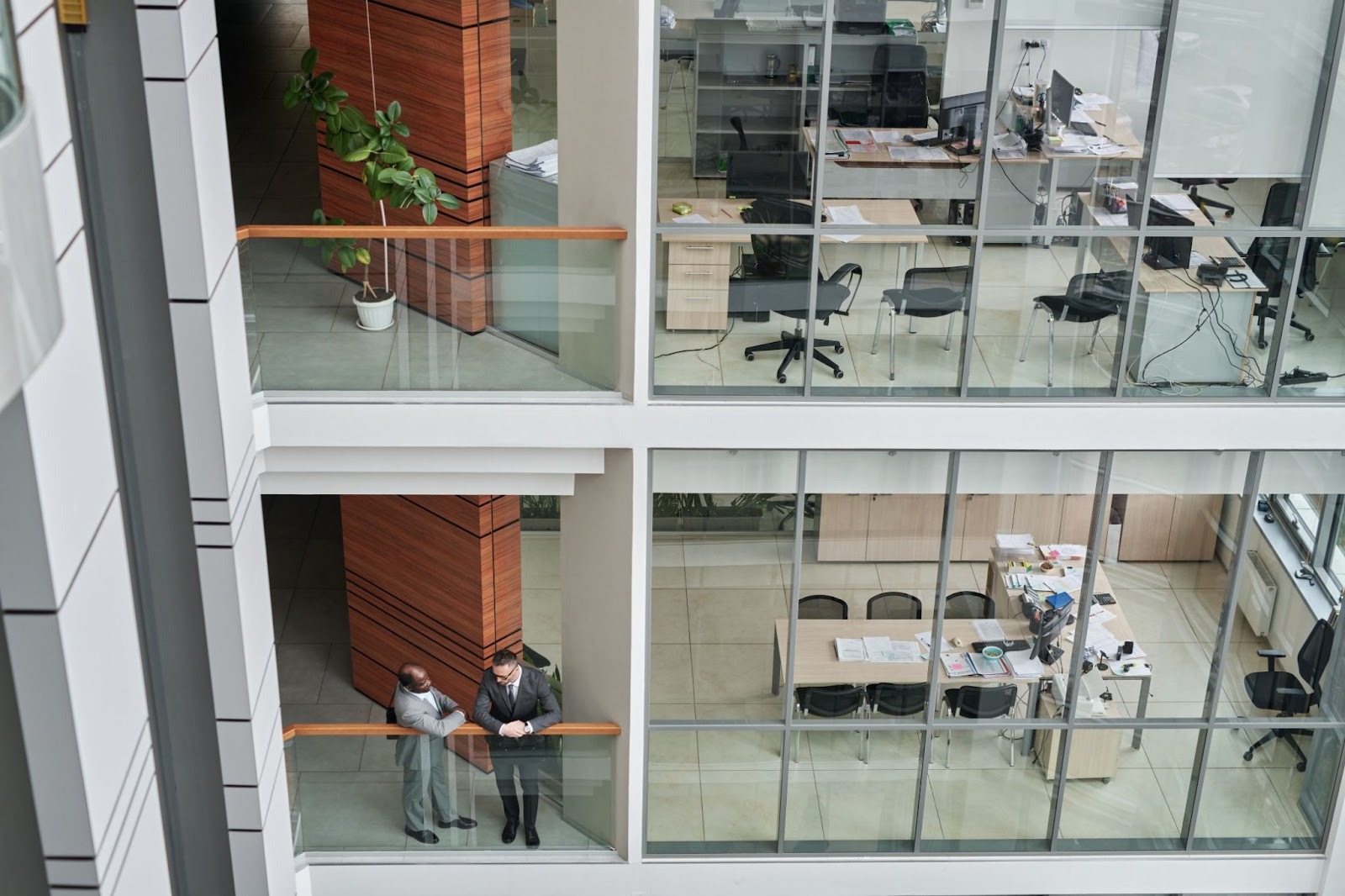
Comprehensive annual inspections form the foundation of effective curtain wall maintenance programmes, identifying emerging issues before they develop into costly failures requiring extensive remediation. Professional façade inspections typically occur during spring or autumn when moderate weather conditions facilitate thorough assessment.
Annual inspections should engage qualified façade consultants or specialist glazing contractors experienced in curtain wall systems, rather than general building maintenance personnel lacking specific technical expertise. These professionals understand system-specific vulnerabilities and can identify subtle deterioration indicators escaping casual observation.
Comprehensive annual inspection scope:
UK high-rise buildings may face specific façade inspection requirements under local authority regulations, with some jurisdictions mandating close-up inspections every 4-12 years depending on building height, construction type, and local ordinances. Building owners should verify applicable requirements ensuring compliance.
Inspection timing considerations:
Post-storm inspections should follow severe weather events, checking for impact damage, displaced panels, or sealant breaches created by extreme wind loads. Similarly, extreme temperature swings warrant additional checks as thermal movement can accelerate sealant failures or frame distortion in older systems.
First-year inspections following new curtain wall installation prove particularly important, identifying installation defects whilst contractor warranties remain active. Comprehensive commissioning inspections within 12 months document baseline conditions and verify system performs to design specifications.
Silicone sealants represent curtain wall systems' most vulnerable components, typically requiring replacement every 10-20 years depending on exposure, quality, and original application standards. Sealant failure constitutes the primary pathway for water infiltration affecting building interiors and accelerating curtain wall deterioration.
Modern neutral-cure silicone sealants outperform earlier formulations, offering improved UV resistance, movement accommodation, and adhesion durability. Buildings with original 1980s-1990s sealants often face system-wide replacement requirements as materials reach end of service life simultaneously across entire façades.
Sealant deterioration indicators:
Sealant replacement projects require meticulous surface preparation, removing all old sealant material, cleaning substrates thoroughly, and applying primers where adhesion testing indicates necessity. Shortcuts during preparation invariably lead to premature adhesion failures, requiring costly re-work within months of completion.
Sealant replacement procedure:
Sealant replacement programmes often proceed in phases over multiple years given extensive footage involved in typical office buildings. Prioritisation focuses on most exposed elevations (prevailing weather direction), areas showing active deterioration, and locations where internal water damage has occurred.
Weather seals versus structural sealants:
Curtain walls utilise two distinct sealant types serving different functions. Weather seals (perimeter joints) prevent water and air infiltration, whilst structural sealants bond glass panels to frames in structurally glazed systems. Structural sealants face more demanding service conditions and require specialised replacement procedures ensuring adequate adhesion and bond widths.
EPDM (Ethylene Propylene Diene Monomer) gaskets provide compression seals between glazing units and aluminium frames, serving critical functions maintaining weather tightness and accommodating differential thermal movement. These rubber components typically outlast sealants but eventually require replacement as material properties degrade through UV exposure, ozone attack, and cyclic compression loading.
Quality EPDM gaskets demonstrate 15-30 year service lives under moderate conditions, though south-facing exposures, industrial atmospheres, and inadequate UV protection accelerate deterioration. Gasket failure often manifests gradually through increased air leakage and water infiltration rather than sudden catastrophic breakdown.
Gasket condition assessment criteria:
Gasket replacement typically requires partial or complete removal of glazing units depending on system design, making it significantly more invasive and costly than sealant replacement alone. Many building owners coordinate gasket replacement with glazing upgrades, maximising value from façade access costs whilst improving thermal performance through modern insulating glass specifications.
Gasket replacement approaches:
Stick-built curtain wall systems generally facilitate gasket replacement through sequential disassembly of pressure plates, cap removal, and glazing extraction. Unitised systems present greater challenges as panels were factory-assembled with integrated gaskets, sometimes necessitating specialised procedures or partial gasket section replacement where full removal proves impractical.
Lock-strip gasket systems utilise rubber zippers securing glazing within frame pockets, allowing gasket and glass replacement without dismantling structural frame members. These systems proved popular in 1960s-1980s installations and now frequently require comprehensive gasket renewal as original rubber components reach 40-50 years service life.
Curtain wall drainage systems channel incidental water infiltration back to building exteriors through designed pathways incorporating weep holes, internal gutters, and pressure-equalisation chambers. Even well-sealed curtain walls anticipate some water penetration under extreme conditions, making functional drainage systems essential preventing internal damage.
Blocked drainage paths cause water accumulation within curtain wall cavities, eventually overwhelming sealant protection and causing internal leaks. Quarterly drainage inspections identify blockages before problems develop, whilst annual deep cleaning removes debris accumulation in horizontal channels and vertical cavities.
Common drainage system issues:
Weep holes typically locate at base of each vertical mullion and spandrel panel, allowing water collection in horizontal channels to exit building envelope. These small openings (often 5-8mm diameter) easily become obstructed, requiring individual cleaning with appropriate tools avoiding damage to surrounding sealants or frame finishes.
Drainage system maintenance procedures:
Water infiltration testing following drainage maintenance verifies system functionality before problems manifest during severe weather. AAMA 501.2 testing standards provide protocols for field testing curtain wall water resistance, though full testing proves invasive and costly for routine maintenance verification.
Insulating glass units (IGUs) within curtain wall systems eventually fail through seal deterioration allowing moisture infiltration between panes, manifesting as permanent fogging or condensation visible between glass layers. IGU failures typically occur 20-30 years after installation as edge seal materials break down through cyclic thermal stressing and UV degradation.
Modern IGUs utilise dual-seal systems combining inner polyisobutylene (PIB) seals providing vapour barriers with outer structural silicone seals maintaining edge integrity and spacing. Earlier single-seal units demonstrate higher failure rates as single seal system serves both functions, presenting vulnerability when deterioration begins.
Glazing unit failure indicators:
IGU replacement provides opportunities upgrading thermal performance beyond original specifications, with modern units achieving significantly better U-values through triple glazing, advanced low-E coatings, and alternative gas fills. Such upgrades deliver measurable energy savings justifying premium product selection during replacement programmes.
Selective versus wholesale glazing replacement:
Building owners face decisions replacing individual failed units as encountered versus programmatic replacement of all glazing approaching end of service life. Wholesale replacement offers economies of scale, consistent appearance, predictable costs, and comprehensive thermal performance upgrades, whilst selective replacement minimises immediate capital investment though creates patchwork appearance and extended access costs.
Phased replacement programmes spreading costs over 3-5 years balance financial constraints against performance improvements, prioritising most exposed elevations and highest-visibility areas initially. Such programmes maintain access equipment mobilisation efficiency whilst managing annual capital expenditure within budgetary constraints.
Aluminium framing members provide structural backbone of curtain wall systems, designed for 60+ year service lives outlasting other system components. Whilst aluminium resists corrosion far better than steel, frame finishes require maintenance preserving appearance and preventing localised corrosion in aggressive environments.
Powder-coated aluminium frames demonstrate 20-30 year finish lifespans before requiring re-coating, though coastal exposures, industrial atmospheres, and urban pollution accelerate degradation. Anodised finishes generally outperform powder coating for durability but prove more expensive initially and create limitations for colour selection.
Frame finish deterioration signs:
Frame cleaning represents essential maintenance preserving finish integrity and appearance. Quarterly cleaning removes atmospheric contamination before deposits chemically attack coatings, whilst annual deep cleaning addresses stubborn soiling requiring more aggressive methods.
Safe cleaning protocols:
Frame re-coating programmes extend curtain wall lifespan without wholesale replacement, typically costing 20-30% of new curtain wall installation whilst delivering renewed appearance and continued corrosion protection. Such programmes require complete cleaning, surface preparation, and application of compatible coating systems ensuring adhesion and durability.
Water infiltration through curtain wall systems ranks among most common building envelope failures, causing extensive interior damage, mould growth, and structural deterioration if not promptly addressed. Systematic water ingress investigation identifies specific failure points enabling targeted repairs rather than expensive exploratory work.
Water infiltration patterns provide clues regarding leak sources, though pathways often prove complex as water tracks horizontally within assemblies before appearing at distant locations. Spray testing specific areas under controlled conditions replicates weather-driven infiltration whilst allowing detailed observation pinpointing exact entry points.
Systematic leak investigation methodology:
Common water infiltration pathways include failed sealant joints (most frequent), gasket compression inadequacies, weep hole blockages causing water backup, damaged glazing seals, and inadequate frame overlap at panel connections. Each pathway requires different repair approaches, making accurate diagnosis essential for effective remediation.
Emergency temporary repairs:
When active leaks cause interior damage requiring immediate intervention before comprehensive repairs can be executed, temporary measures prevent ongoing damage whilst permanent solutions are developed. Temporary exterior sealant application, internal water shields, or strategic boarding provide interim protection during investigation and repair planning phases.
At GLRE, our curtain wall maintenance services combine technical expertise, advanced access capabilities, and comprehensive understanding of modern and legacy glazing systems. Operating from eight regional offices across Cambridge, Manchester, London, Birmingham, Glasgow, Southampton, Bristol, and Newcastle, we deliver nationwide curtain wall maintenance programmes tailored to each building's specific requirements.
Our IRATA-certified rope access teams provide cost-effective façade access for inspections, sealant replacement, and component repairs without expensive scaffolding mobilisation. This approach minimises building disruption, reduces programme costs, and enables flexible scheduling around tenant operations and weather conditions.
GLRE maintenance programmes incorporate scheduled inspections, component lifecycle planning, and strategic refurbishment recommendations ensuring curtain wall systems deliver optimal performance throughout extended service lives. We maintain detailed condition records tracking system deterioration over time, enabling predictive maintenance scheduling and capital expenditure forecasting.
GLRE curtain wall services:
Our technical team works collaboratively with facilities managers, building owners, and occupier representatives developing maintenance programmes balancing performance requirements, budget constraints, and operational considerations. For office buildings requiring expert curtain wall maintenance throughout 2026 and beyond, contact GLRE to discuss comprehensive façade care strategies.